Showing posts with label Avantgarde. Show all posts

Thursday, 14 July 2011

FULL BUCK MOON (15 July 2011)

The musick dedicated to this Esbat is:

PALESTINE CHARLEMAGNE & HEEMANN CHRISTOPH

SAITEN IN FLAMMEN


Original Issue: 2009 Streamline (STREAMLINE 1026)

₪₪₪₪₪₪₪₪₪₪₪₪₪₪₪₪₪₪₪₪₪₪₪₪₪₪₪₪₪₪₪₪₪₪

Margot-meter: 4,5 moons / 5

₪₪₪₪₪₪₪₪₪₪₪₪₪₪₪₪₪₪₪₪₪₪₪₪₪₪₪₪₪₪₪₪₪₪

Do not forget to take a look at the comments section :-)

₪₪₪₪₪₪₪₪₪₪₪₪₪₪₪₪₪₪₪₪₪₪₪₪₪₪₪₪₪₪₪₪₪₪

from Soundohm:

Saiten In Flammen, a new album by Charlemagne Palestine and Christoph Heemann follows their collaborative work on Palestine's heavy-metal-piano workout The Apocalypse Will Blossom with a more textural approach. As on The Apocalypse... the only sound source used throughout these two electro-acoustic explorations of the lower depths is the Bösendorfer Imperial Grand Piano, notorious for its unique resonant qualities.

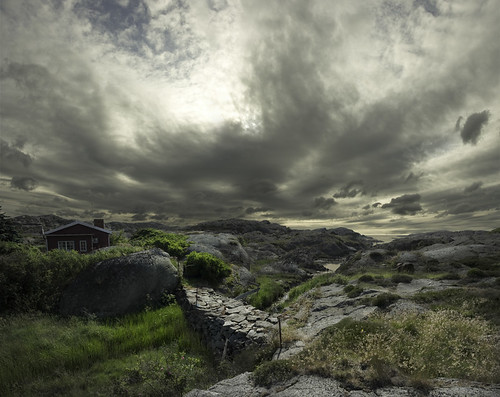
The title is a German translation of 'strings aflame.' ...looking directly at the cloud, he saw that it was not a cloud, although what it was he did not know. It was a massive wall of utter blackness that rose from where it met the surface of the downward sloping sand far into the sky, so that he was forced to crane his neck to see the top of it. Lightning bolts still slashed across its face with devastating ferocity, and thunder crashed and rumbled.

The wall, he saw or thought he'd saw, was a monstrous dam raised against the sky, and over the lip of it was pouring something that was not water, a gigantic waterfall of blackness that was not water, crashing down across the face of it, a waterfall so solid and unbroken that he did not see the actual falling of it, but only had the hypnotic sense of its falling.

Watching it, he realized that it was not only thunder he heard, but the deep, awful roar of whatever was falling over the lip of the dam, the Niagara-like rushing sound of something falling down from great height, falling from the unknown into the unknown. It seemed to him that the very ground beneath him was trembling with the roar.'

Saturday, 31 July 2010

LAMMAS (01 August 2010)

The musick dedicated to this Sabbat is:

WALL JOHN

ALTERSTILL


Original Issue: 1995 UtterPsalm (UtterPsalm CD2)

₪₪₪₪₪₪₪₪₪₪₪₪₪₪₪₪₪₪₪₪₪₪₪₪₪₪₪₪₪₪₪₪₪₪

Margot-meter: 5 moons / 5

₪₪₪₪₪₪₪₪₪₪₪₪₪₪₪₪₪₪₪₪₪₪₪₪₪₪₪₪₪₪₪₪₪₪

1 Fragmenta 11:04
2 Alterstill (Nothing Is Sacred) 10:17
3 Belief Not 8:57
4 Stunde Null (I) 7:06
5 Stunde Null (II) 11:38

₪₪₪₪₪₪₪₪₪₪₪₪₪₪₪₪₪₪₪₪₪₪₪₪₪₪₪₪₪₪₪₪₪₪

from All Music Guide:

The first in British composer John Wall's beautifully designed series on the Utterpsalm label, this limited-edition CD comes in a card-booklet slipcase. Housed inside is an aggressive and disorientating series of sample-based works, like a contemporary classical suite, although some of the chosen sample material is fairly unorthodox, such as Carcass; the power of the metal group is used to great effect juxtaposed against samples of contemporary classical, musique concrète, and free improvisations from the outer regions of 20th century music.

Sample sources range from Scelsi, Luigi Nono, Karlheinz Stockhausen, and company through to European free improvisation, black metal, and '70s Krautrock. John Wall's compositions sit nicely alongside the works of Rioji Ikeda, or some of the contemporary musique concrète from the French Metamkine CD series. Erik M, John Oswald, and Oval are all points of reference, although John Wall's vision and process is unique.

Few artists work with the attention to detail -- from production through to packaging and presentation, the work is beautiful. Rumored to have spent literally years making albums, it is easy to believe when hearing the complexities of the fine electro-acoustic transformations.

Sylvie Harrison

Wednesday, 17 March 2010

EOSTRE (21 March 2010)

The musick dedicated to this Sabbat is:

13TH TRIBE (THE)

PING PONG ANTHROPOLOGY


Original Issue: 1992 Review (rere 174 cd)

₪₪₪₪₪₪₪₪₪₪₪₪₪₪₪₪₪₪₪₪₪₪₪₪₪₪₪₪₪₪₪₪₪₪

Margot-meter: 4 moons / 5

₪₪₪₪₪₪₪₪₪₪₪₪₪₪₪₪₪₪₪₪₪₪₪₪₪₪₪₪₪₪₪₪₪₪

1 Dream Hunters 10:02
2 Hawaiian Office 1 4:32
3 Khazar 4:43
4 Can-nibals I 5:28
5 Lofoten Part II 6:18
6 Can-nibals II 5:43
7 Ping Pong Anthropology 4:33
8 Hawaiian Office II 2:45
9 Exhausted Pipes 13:55

₪₪₪₪₪₪₪₪₪₪₪₪₪₪₪₪₪₪₪₪₪₪₪₪₪₪₪₪₪₪₪₪₪₪

from All Music Guide:

Ping-Pong Anthropology defies categorizations. Two members of the 13th Tribe, German Werner Durand and Norwegian Erik Balke, perform on invented instruments, mostly wind instruments without finger holes, which are actually assemblages of PVC tubes of various lengths. The third musician, Brazilian Silvia Ocougne, provides cyclic rhythmical structures on prepared guitar. Percussionist Pierre Berthet appears as a guest on three tracks. Durand and Balke play games of "call and response" (reproduced in stereo, they do sound like a ping-pong game) over Ocougne's cycles, each one moving at his/her own pace, periodically losing the others and catching up on them.

This process creates soft, unreal, slow-evolving textures belonging to both meditative and avant-garde music. Because of its ritualistic patterns and similarities between the Tribe's devices and such autochthonous instruments as the didjeridoo, the Alp horn, or even the pan flute, this music has a distinctive exotic quality. Somewhere between the Andes and Australia probably lies an island where the 13th Tribe's music may be used for the religious ceremonies of a postmodern civilization.

François Couture

Saturday, 19 December 2009

YULE (21 December 2009)

The musick dedicated to this Sabbat is:

SCHÜTZE PAUL (feat. Köner Thomas)

THIRD SITE (46 Deg 37' 00'' N 9 Deg 12' 00'' E)


Original Issue: 1999 Rykodisc (RCD 10464)

₪₪₪₪₪₪₪₪₪₪₪₪₪₪₪₪₪₪₪₪₪₪₪₪₪₪₪₪₪₪₪₪₪₪

Margot-meter: 4 moons / 5

₪₪₪₪₪₪₪₪₪₪₪₪₪₪₪₪₪₪₪₪₪₪₪₪₪₪₪₪₪₪₪₪₪₪

1 The Surface Of The Eye 8:47
2 The Skin Of The Face And Neck 3:19
3 The Head, The Soles Of The Feet, And Arm 11:10
4 The Palms Of Both Hands 14:23
5 The Breath 9:37

₪₪₪₪₪₪₪₪₪₪₪₪₪₪₪₪₪₪₪₪₪₪₪₪₪₪₪₪₪₪₪₪₪₪

from http://www.paulschutze.com/:

The recently completed Thermal Baths complex in the Swiss alpine village of Vals is already regarded as a structure of international architectural importance. A remarkable building which is embedded in the mountainside and fuses both the local stone and the thermal spring water into an environment where all the senses are sharpened by the acute intelligence of the structure and its conception.

My aim in continuing the Site series with this particular structure is to explore in detail the experience of the baths in the context of sense memory, sound mapping/recording and the shaping of a poetic narrative within the rooms and cells at Vals.

As with the Jantar Mantar project (Second Site) I want to evoke the physical and poetic presence of this site using sound and spoken text. Peter Zumthor's work is distinguished by his exemplary use of materials and I have attempted to draw analogies between the ways in which our memories of touch and sound connect to the sense presence of complex man made spaces. I am also interested in the parallels between the internal organisation of thoughts and sensations and the external experience of moving through designed spaces.

The end product of this process is both a stereo recording and a more complex split channel version made to be installed within another space. The idea being to superimpose the presence of the first space within the volumes of another unrelated space. The "libretto" contained within both of these works will be published along (I hope) with some notes by and an interview with the architect. It is my intention when installing this work within another space to incorporate video material generated at the site as well as still images. The design of the installation will also try to reinforce the experience of the original space.

Paul Schütze

Monday, 31 August 2009

FULL CORN MOON (04 September 2009)

The musick dedicated to this Esbat is:

NIJIUMU

LIVE

Original Issue: 1997 Big Cat (ABB 1000/2CD)

₪₪₪₪₪₪₪₪₪₪₪₪₪₪₪₪₪₪₪₪₪₪₪₪₪₪₪₪₪₪₪₪₪₪₪

Margot-meter: 5 moons / 5

₪₪₪₪₪₪₪₪₪₪₪₪₪₪₪₪₪₪₪₪₪₪₪₪₪₪₪₪₪₪₪₪₪₪₪

01 Untitled (3:11)
02 Untitled (49:38)
03 Untitled (12:29)

₪₪₪₪₪₪₪₪₪₪₪₪₪₪₪₪₪₪₪₪₪₪₪₪₪₪₪₪₪₪₪₪₪₪₪

from The Sound Projector:

Top of the range is Nijiumu, one of Keiji Haino’s quieter musical hats, and for sheer pathos this live recording worth your entry money by itself; to call this slice of sheer emotion tear-inducing is not enough. You will weep!

Friday, 19 June 2009

LITHA (21 June 2009)

The musick dedicated to this Sabbat is:

MARTIRANO SALVATORE

L's G.A. / BALLAD / OCTECT

Original Issue: 1968 Polydor (24-5001)

₪₪₪₪₪₪₪₪₪₪₪₪₪₪₪₪₪₪₪₪₪₪₪₪₪₪₪₪₪₪₪₪₪₪₪

Margot-meter: 5 moons / 5

Track 1 is entitled "L's GA For Gas-Masked Politico, Helium Bomb, And Two-Channel Tape" and is an ASTONISHING piece of music!!!

Do you need something more to convince you?

₪₪₪₪₪₪₪₪₪₪₪₪₪₪₪₪₪₪₪₪₪₪₪₪₪₪₪₪₪₪₪₪₪₪₪

1 L's GA For Gas-Masked Politico, Helium Bomb, And Two-Channel Tape (24:19)
2 Ballad (11:46)
3 Octet (7:01)

₪₪₪₪₪₪₪₪₪₪₪₪₪₪₪₪₪₪₪₪₪₪₪₪₪₪₪₪₪₪₪₪₪₪₪

from http://ems.music.uiuc.edu/~martiran/:


"Blow your mind (and 50c) on the mixed media concert in Finney Chapel," suggest signs presently posted on the Oberlin College campus.

Featured on the avant-garde program tonight at 8:30 will be a staged performance of "L's GA" ("Lincoln's Gettysburg Address") by Salvatore Martirano, a theater piece for gas-masked politicos, helium bomb, three movie projectors and two-channel tape recorder.

Describing his notorious composition to a group of Oberlin students yesterday, Martirano said, "It starts with eight minutes of low sound that actually vibrates the floor (you get a massage), and ends with an organ version of 'My heart at thy sweet voice' from 'Samson and Delilah.' It gives a very exalted feeling."

The 24-minute piece, the composer explained, also incorporated Lincoln's speech recited in several dialects, films of faces, flowers, tongues and other things, and electronic sound from 24 speakers.

"It's not too loud for people who are accustomed to rock," he said.

The original impetus for "L's GA," which also exists in recorded and filmed versions, came from a lecture Martirano heard opposing the use of political subjects in art works. So negative was the former Marine's reaction that he decided to write a work showing that "it could be done."

Completed in 1968, the piece has received 35 performances in a variety of geographical locations and physical environments.

The audience reaction is different every time," Martirano said. "At the Electric Circus in New York, people were shouting and cheering. But in Portland, Ore., they just sat there, stunned."

Martirano reports, however, that his music has never stimulated violent responses.

"I try to make connections with the audience," he said. "I start with something they know - texts by Lincoln, Shakespeare, Dante - and then translate word inflections into many different sounds. Generally, people like my music - because it's easy."

Martirano's career as a composer began more than 20 years ago when he was a student of Herbert Elwell at Oberlin. After completing his undergraduate degree, he attended the Eastman School of Music where he studied with Bernard Rogers. He then received a Fulbright fellowship to Italy where he worked with Luigi Dallapiccola.

Numerous fellowships, grants, awards and commissions followed. And today as composer-in-residence at the University of Illinois, Martirano is securely entrenched in the university complex, which he regards as "a very enlightened place to be."

To an impressive list of compositions for orchestra, chamber ensemble, chorus, voice, electronic tape and mixed media, Martirano will soon add a new work scored for large orchestra, controller and bunny.

Wilma Salisbury

Saturday, 18 October 2008

FAREWELL MOON (epitaph musick)

This post is dedicated to Hector Zazou (11 July 1948 - 08 September 2008)

ZAZOU HECTOR

SAHARA BLUE

CHANSONS DES MERS FROIDES

Original Issue: 1992 Made To Measure (MTM 32) & 1994 Sony Music (COL 477585 2)

₪₪₪₪₪₪₪₪₪₪₪₪₪₪₪₪₪₪₪₪₪₪₪₪₪₪₪₪₪₪₪₪₪₪₪

Margot-meter: 4 moons / 5

₪₪₪₪₪₪₪₪₪₪₪₪₪₪₪₪₪₪₪₪₪₪₪₪₪₪₪₪₪₪₪₪₪₪₪

Tracklistings: Sahara Blue and Chansons Des Mers Froides

₪₪₪₪₪₪₪₪₪₪₪₪₪₪₪₪₪₪₪₪₪₪₪₪₪₪₪₪₪₪₪₪₪₪₪

from Wikipedia�:

Zazou first came to international attention as part of the ZNR duo with Joseph Racaille, where both played electric keyboards. Their 1976 debut album Barricades 3 was notable for its "strong Satie influence, stripped to minimal essentials, everything counts".

Long-time collaborators include trumpeter Mark Isham; guitarist Lone Kent; cellist and singer Caroline Lavelle; trumpeter Christian Lechevretel, who has appeared on all of Zazou's albums after Sahara Blue; clarinetist and flutist Renaud Pion, who has appeared on all of Zazou's albums since Les Nouvelles Polyphonies Corses; drummer Bill Rieflin; and Japanese recording artist Ryuichi Sakamoto.

His discography demonstrates his affinity for cross-cultural collaborations, and incorporated modern techniques and sounds in re-recordings of traditional material. He was influenced by Peter Gabriel's album Passion: Music for The Last Temptation of Christ in his fusion of musical polarities (traditional and modern, electronic and acoustic) on his own album Les Nouvelles Polyphonies Corses.

Zazou regarded his work during the 1980s as his time of apprenticeship in the studio. On his 1986 album, Reivax au Bongo, he experimented with fusing classical vocals with an electronic backdrop. On his 1989 album, Géologies, he combined electronic music with a string quartet.

The albums that he has released under his own name from the 1990s onwards are usually concept albums that draw from literary or folk sources and revolve around a specific theme. The collection of songs on each album assemble contributions from a diverse and global range of pop, folk, world music, avant-garde, and classical recording acts.

Zazou's 1992 offering, Sahara Blue, was based on an idea by Jacques Pasquier. Pasquier suggested Zazou commemorate the 100th anniversary of the death of author Arthur Rimbaud by setting music to Rimbaud's poetry. Contributions included spoken word from Gérard Depardieu, Dominique Dalcan and music by Brendan Perry and Lisa Gerrard of Dead Can Dance, Tim Simenon, and David Sylvian. He even adapted a traditional Ethiopian song.

In 1994, he released the album Chansons des mers froides (called Songs from the Cold Seas for the anglophone market). The album was based on ocean-themed traditional folk songs from northern countries, such as Canada, Finland, Iceland, and Japan. It featured vocals by pop and rock artists such as Björk, Suzanne Vega, John Cale, Värttina, Jane Siberry, and Siouxsie Sioux in addition to recordings of shamanic incantations and lullabies from Ainu, Nanai, Inuit, and Yakut singers. Musicians included Mark Isham, Brendan Perry, and the Balanescu Quartet. A cameraman accompanied Zazou on the project and they shot and recorded in Alaska, Canada, Greenland, Japan, Scandinavia, and Siberia. The single "The Long Voyage" was the only song to be an original composition from Zazou. He wrote it in gratitude to his record company Sony who gave him complete artistic liberty. Performed by Suzanne Vega and John Cale, it was released as a single in 1995. The single featured remixes by Mad Professor as well as Zazou himself.

His 1998 album, Lights in the Dark, showcased ancient Celtic music sung by Irish singers.

Zazou's collaborative 2000 album 12 (Las Vegas is Cursed) with Sandy Dillon was regarded as a financial and critical failure. In the book "Sonora Portraits 2", which accompanies the CD Strong Currents, Zazou says that 12 (Las Vegas is Cursed) was his most elaborate album. He describes it as a work of black humour and regards his instrumental composition "Sombre" on the album as one of his best songs ever.

Strong Currents was released in 2003 and featured an all-female vocal cast which included Laurie Anderson, Melanie Gabriel, Lori Carson, Lisa Germano, Irene Grandi, Jane Birkin, and Caroline Lavelle. Musicians included Ryuichi Sakamoto, Dennis Rea, Bill Rieflin and Archaea Strings. The album took six years to complete.

In 2004 Zazou released a companion CD of sorts, L'absence, which included instrumentals, many of the same female vocalists that were featured on Strong Currents, and one male vocalist, French singer Edo.

Zazou has recently been a member of the musical collective named Slow Music. The lineup also included Robert Fripp and Peter Buck on guitars, Fred Chalenor on bass, Matt Chamberlain on drums, and Bill Rieflin on keyboards and percussion. He contributed electronics to the group's music, and much of his recent work, including a soundtrack for Carl Théodor Dreyer's silent film La Passion de Jeanne d’Arc and the multimedia collaboration released as a CD in 2006, Quadri+Chromies, has focused on electronic sounds produced on computers.

A number of recent projects are documented on the Music Operator interactive multimedia web site, which graphically documents his recent collaborations while in the background his recent music plays. In january 2008 Hector Zazou released his newest album, Corps électriques, featuring "one of the original riot grrrls" KatieJane Garside, Bill Rieflin, Lone Kent and fusion jazz trumpeter Nils Petter Molvær.

Sunday, 12 October 2008

STARLESS MOON (nacht musick)

GÜNTER BERNHARD

REDSHIFT/ABSCHIED

Original Issue: 2002 Trente Oiseaux (toc 021) Buy it here!

₪₪₪₪₪₪₪₪₪₪₪₪₪₪₪₪₪₪₪₪₪₪₪₪₪₪₪₪₪₪₪₪₪₪₪

Margot-meter: 4,5 moons / 5

₪₪₪₪₪₪₪₪₪₪₪₪₪₪₪₪₪₪₪₪₪₪₪₪₪₪₪₪₪₪₪₪₪₪₪

1 Redshift (31:47)
2 Abschied (20:50)

₪₪₪₪₪₪₪₪₪₪₪₪₪₪₪₪₪₪₪₪₪₪₪₪₪₪₪₪₪₪₪₪₪₪₪

from Bernard Günter homepage�:

The constant growth of Bernhard Günter keeps going. "Redshift" is based on sounds he found on his DAT collections, dating from almost 10 years ago; they have been processed and reworked with the usual care for the micro-details, creating a canvas on which nuances and shadows propagate in hypnotic, repetitive fashion - classical Günter style. But the best track is "Abschied": a requiem for the kind soul of a deceased person (in this case, Bernhard's wife's aunt) it's worked from treated orchestral samplings which become a faraway, melancholic delicacy of tenuous rarefaction and faint breathing, pointed with the glowing of drying tears. Again, one of the most intense compositions I came across recently, a music that will make you think for long moments after it's over. [Massimo Ricci, TOUCHING EXTREMES]

This release combines two pieces, 'Redshift' (30 minutes) and 'Abschied'} (20 minutes), realized in 2001. Although they both fit Bernhard Günter's esthetic, they share no common conceptual bond, which prompted the artist to include two interchangeable covers. 'Redshift' was put together from old samples dating back to Günter's beginnings (circa 1993). The music mainly consists of three separate layers: a faint humming background, almost inaudible, and two tracks of rattling sounds (could be contact microphones) placed far away in the left and right stereo channels.
In headphones it produces a schizophrenic effect; on loudspeakers it transforms the room into a wide sound field you can loose yourself in.
Settings change in the course of the first three movements, but the basic idea remains the same. The last seven minutes leave a lone horn calling long notes in the distance. This mournful finale turns out to be the perfect introduction for 'Abschied' composed in memory of the deceased aunt of the composer's wife. Sustained tones, calm and discreet, weave an ever-changing pattern inducing a state of meditation. Are they strings or horns? At one point, through a short transformational process reminiscent of Trevor Wishart's 'Red Bird' or Bernhard Gal's works on 'Relisten', appear the sounds of a city street at rush hour. Instead of casting some light on the piece it makes it more puzzling and beautiful.

(Note by bg: I do not own a contact microphone, and the 'street noise' part is not a field recording, but also consists of instrumental sounds.) [François Couture, ALL MUSIC GUIDE]

Redshift is the latest release from sound artist Bernhard Günter. The title piece was composed using noise sounds from Günter's DAT archive, from his early sampling days in 1993. This long piece begins with faint crackling, soft fluctuations giving the impression of movement, of a gently changing sonic space. Beneath the crackling sounds is the quiet roar of a fan, a motor, a distant drone, but it too rests gently on the listening space. Sharper textures rise and fall throughout the piece, of varying frequencies and timbres, all of which create hypnotizing movements of fluctuating sounds perfectly suited for playback at medium volume. The disc also contains a second piece, "Abschied," which otherwise has no connection with the first. It was composed in memory of Erika Kedziora, an aunt of Günter's wife who had recently passed away. Slow moving, dissonant harmonics, sounding as if they were made using a combination of bowed instruments (stringed, metallic or otherwise), create a beautiful soundscape mourning the loss and celebrating the memory of a relative who is obviously very close to Günter's heart. The piece might not have any thematic or compositional connection with "Redshift", and yet these two pieces compliment each other well. The uneven crackling and subtle noises of the first piece are answered by the sustained notes of the second. A stunning new release, one that won't want to leave your CD player for days on end. [Richard di Santo, INCURSION MUSIC REVIEW]

Saturday, 4 October 2008

RUNIC MOON (nordic musick)

DARLING DAVID

CELLO

Original Issue: 1992 ECM (ECM 1464) Buy it here!!!

₪₪₪₪₪₪₪₪₪₪₪₪₪₪₪₪₪₪₪₪₪₪₪₪₪₪₪₪₪₪₪₪₪₪₪

Margot-meter: 5 moons / 5

₪₪₪₪₪₪₪₪₪₪₪₪₪₪₪₪₪₪₪₪₪₪₪₪₪₪₪₪₪₪₪₪₪₪₪

1 Darkwood I (2:21)
2 No Place Like Nowhere (4:39)
3 Fables (5:04)
4 Darkwood II (1:19)
5 Lament (2:50)
6 Two Or Three Things (4:43)
7 Indiana India (3:24)
8 Totem (2:13)
9 Psalm (2:23)
10 Choral (4:05)
11 The Bell (2:39)
12 In November (4:28)
13 Darkwood III (3:18)

₪₪₪₪₪₪₪₪₪₪₪₪₪₪₪₪₪₪₪₪₪₪₪₪₪₪₪₪₪₪₪₪₪₪₪

from Amazon:

Forget Darling's new age dabblings -- this CD and the work he had done with Bjornstad and others (The Sea and The River) on ECM is intensely brooding and beautiful.

"Choral" is simply one of the most beautiful pieces of music I've heard in the last ten years -- it rivals Arvo Part's work in austerity and beauty.

Tuesday, 2 September 2008

BLACK MOON (the dark side of musick)

GALÀS DIAMANDA

THE DIVINE PUNISHMENT

Original Issue: 1986 Mute Records (STUMM 27)

Reissue: 1989 Mute Records (CD STUMM 33) Buy it here!

₪₪₪₪₪₪₪₪₪₪₪₪₪₪₪₪₪₪₪₪₪₪₪₪₪₪₪₪₪₪₪₪₪₪₪

Margot-meter: 4,5 moons / 5

Diamanda Galàs: the woman (in musick, but probably in art in general) I admire most...intelligent, provocative, uncompromisable, theatrical, extreme...and even sexy!

Faint-of-heart...PLEASE DO NOT LISTEN TO THIS RECORD!!!

₪₪₪₪₪₪₪₪₪₪₪₪₪₪₪₪₪₪₪₪₪₪₪₪₪₪₪₪₪₪₪₪₪₪₪

1. Deliver Me From Mine Enemies
1. This Is the Law of the Plague
2. Deliver Me from Mine Enemies
3. We shall not accept your Quarentine
4. Deliver Me
5. Yiati O Ozoe
6. Psalm 22

2. Free Among the Dead
1. Psalm 88
2. Lamentations
3. Sono L'Antichristo

₪₪₪₪₪₪₪₪₪₪₪₪₪₪₪₪₪₪₪₪₪₪₪₪₪₪₪₪₪₪₪₪₪₪₪

from Epinions.com:

In the eighties Diamanda recorded a trilogy of albums about the AIDS epidemic. Each of the albums of the trilogy focus on different aspects of the epidemic and feature totally different musical approaches as well.

The Divine Punishment is the first of the trilogy and is perhaps the most avantgarde and unmusical of the three. This album focuses on society's judgment on the diseased person and is composed almost entirely of her readings of various old testament texts.

Her voice sometimes uses a mocking nasal tone and sometimes a stretched moan and the biblical texts feel totally alien with droning synthesized background noises added. This really doesn't qualify as music but perhaps more as a really experimental spoken word performance though some wordless and beautiful Arabic style wailing that Diamanda often uses appears as well.

The album consists only of two long tracks but contained in these two tracks are many different "songs" or recitations as well as some moments of wordless vocals including the previously mentioned wailing as well as strange multi layered groaning and other even harder to describe sounds.

The album only breaks of from this scheme in it's last few minutes when Diamanda over booming piano chords performs the only lyric not lifted from the bible but written by herself in Italian called "Sono L'Antichristo" which means simply "I am the Antichrist".

Here she howls such phrases such as "I am the holy fool" and "I am the butchers meat" as well as producing perhaps the most inhuman screams of her career. The meaning of this track is to portrait an homosexual or AIDS positive individual scorned by his society giving in and saying: yes! I am just as evil and depraved as you believe me to be!

The final moments of The Divine Punishment sets the stage for the second installment of the trilogy "The Saint Of The Pit" which focuses more on the view of the AIDS infected person himself.


Boffo

Saturday, 16 August 2008

FULL STURGEON MOON (16 August 2008)

The Musick dedicated to this Esbat is:

BATTIATO FRANCO

FETUS

POLLUTION

SULLE CORDE DI ARIES

CLIC

Original Issue: 1972/1973/1973/1974 Bla Bla (BBXL 10001/BBXL 10002/BBXL 10003/BBXL 10006)

₪₪₪₪₪₪₪₪₪₪₪₪₪₪₪₪₪₪₪₪₪₪₪₪₪₪₪₪₪₪₪₪₪₪₪

Margot-meter: 4,5 moons / 5

₪₪₪₪₪₪₪₪₪₪₪₪₪₪₪₪₪₪₪₪₪₪₪₪₪₪₪₪₪₪₪₪₪₪₪

Tracklistings

₪₪₪₪₪₪₪₪₪₪₪₪₪₪₪₪₪₪₪₪₪₪₪₪₪₪₪₪₪₪₪₪₪₪₪

from Gnosis2000:

Franco Battiato, as is well known, was an Italian pop singer who for a span in the 70s made a string of very experimental albums that fit very roughly in the vein of groups such as Opus Avantra or Pierrot Lunaire. Battiato on all of these titles (and beyond) set out to create completely new musical forms, and evolved from strange pop and rock realms to systemic and minimalist music before returning to pop music.

Fetus was his first and arguably not as impressive as his later titles. There are a lot of influences here, Italian popular music, folk, electronic experiments and tape collage all swirled into an unusual tapestry of music. I would say his folk/pop influences show through the strongest here, and with the albums short duration there's not a lot you can sink your teeth into.

Pollution, however, is a much more successful outing, with the disparate styles blending into a much more cohesive whole. Battiato's music can jump from neo classical to Italian progressive rock (somewhere between Sensations Fix and Le Orme) to space rock like Gong and on to bizarre tape collages with narration. It all adds up to a fascinating and innovative album with more humanity than you'd expect from this type of experimentation.

Sulle Corde Di Aries was Battiato's third release and showed his fascination for electronic, minimalist and systemic musics. As such, it is quite similar to "Pollution" except much more electronic based and with a more definitive style. There are also a lot of modern classical strains coming through here and a great spacey feel again reminding me of Sensations Fix or Gong at times. A simply fascinating album.

Clic is the Italian version and not the version that was on Island records. It too moves in a far more electronic direction, sounding like an avantgarde Klaus Schulze with lots of systemic patterns and neo classical vocals. This is often quoted as his best album, and certainly deserves a listen. The latter three titles, if not all four, all deserve the attention of those into experimental or avantgarde rock albums.

Mike McLatchey

Tuesday, 10 June 2008

REVOLUTION MOON (groundbreaking musick)

NIBLOCK PHILL

A YOUNG PERSON'S GUIDE TO PHILL NIBLOCK

Original Issue: 1995 Blast First (BFFP 102 CD)

Reissue: 2002 Experimental Intermedia (XI 121) Buy it here!!!

Margot-meter: 4,5 moons / 5

1-1 Held Tones (22:40)
1-2 Didjeridoos (13:30)
1-3 Ten Auras (21:20)
1-4 Ten Auras Live (21:20)
2-1 A Trombone Piece (22:13)
2-2 A Third Trombone (20:54)
2-3 Unmentionable Piece For Trombone And Sousaphone (18:33)


from Indieville:

Phill Niblock is, without a doubt, one of the most esteemed experimental composers around today. Musically active since the sixties (he was born in 1933), his music has inspired a whole slew of modern avant-garde composers around today.

A Young Person's Guide to Phill Niblock was originally released in 1995 as a co-project between the Blast First label and British publication The Wire. Comprised of recordings from 1978 to 1994, it is largely considered to be the definitive introduction to Niblock's music. 2002 marks Experimental Intermedia's reissue of this album, under the shortened title of YPGPN. The release is contained on two discs, comprising a total of seven long pieces.

It starts off with "Held Tones," a twenty-two minute flute drone piece that is completely mesmerizing. As the flute tone passes by endlessly, you start to notice the minor imperfections in the sound, little drops or waivers that lend the track a sense of depth and personality. This adds much depth to the piece, and enhances the listening experience greatly.

Second on the block is "Didgeridoos and Don'ts," a shorter (thirteen and a half minute) track that features Ulrich Krieger on the didgeridoos. Its dense, dark sound is apocalyptic. The almost industrial shifts in sound are devastating, and though the track is, in a grand sense, merely a minimal drone, it's effects are intensely frightening. One can feel Krieger's breath going into the instrument, and as the track progresses, the sound becomes less and less organic; at the start, you are completely aware of the didgeridoo's presence, but by the end, it's merely a dark, noisy beast - even though nothing has really changed.

After these two pieces come the two performances of "Ten Auras," a live rendition and a studio recording, both performed by Ulrich Kreiger on the tenor saxophone. Both versions are similar, featuring long, held drones that are constantly evolving - they gradually shift in tone and sound intensity, lending the track a sense of grungy depth. Contrasting between the two is difficult, though small differences do appear upon detailed observation. The live rendition ends the first of the two discs.

The second disc houses three more tracks, the first of which is "A Trombone Piece," a twenty-two minute trombone composition played by James Fulkerson. Its lengthy drone is at times mysterious and at other occasions comical, depending on which frame of reference you're listening to it with.

"A Third Trombone," meanwhile, is much lower than "A Trombone Piece." It's sound is so low, in fact, that the recording actually rings from the excess of bass. Performed by Jon English, it is characterized by three trombones, the third of which offers it a more dense, layered sound.

The collection's last track, "Unmentionable Piece for Trombone and Sousaphone," ends things off well. Featuring some of the most subdued drones on the entire album, it is a decidedly challenging listen. The trombones establish a dark, grimy atmosphere, which is then enhanced when the sousaphone comes in. The sousaphone is lifeless, merely a tone, and this nearly mechanical impersonality serves the track well.

YPGPN is valuable to both Niblock devotees and those just discovering his music. The musicians all play their instruments perfectly, and Niblock's multi-channel dubbing is carried out with seamless mastery.

Though definitely not for everyone (one listener I presented this to likened it to the type of droning tones used for torture practices), to those interested in this style of music, YPGPN is a classic.

Matt Shimmer

Tuesday, 3 June 2008

RISING MOON (japrocksampler musick)

CAESAR J.A.
JASHŪMON

Original Issue: 1972 Victor (SF-1021)

Reissue: 1999 Blue Interactions (PCD-1465)

Margot-meter: 5 moons / 5

Impossibly hard-to-find (even the reissue) masterpiece by J.A. Caesar ranking #10 in Julian Cope's Japrocksampler bible!

Recorded live at a theatrical performance by Tenjo Sajiki at Shibuya Kokaido on January 30, 1972.

This guy was a graphic design student, who adopted the name J.A. [Julius Arnold] Caesar, often also found spelled Seazer and even Ceazar [just to confuse internet searches even further!], and was known by the late 60's as one of the few 'true hippies' on the local scene. He apparently won a competition for hair length!

His music often featured elements of Japanese percussion, 'sekkyobushi narrative music', progressive and psychedelic rock, raw heavy rock, and other influences as diverse as Carl Orff and Pierre Henry.

1 Kyōjobushi
2 Jin
3 Shishi no Ko
4 Tōkyō Junreika
5 Haraisō
6 Kyōchō
7 Hahasute Hannyakyō
8 Okasaretara Nakeba Ii
9 Doko e Doko e to Satsu!
10 Kurama Tengu
11 Jashūmon
12 Bokoi Jigoku
13 Karasu
14 Kanokeburo
15 Wasan
16 Tsuru no Tēma
17 Kuchibue Sanka
18 1970 nen 8 gatsu
19 Wasan


from Volcanic Tongue:

Beautiful book/CD Japan-only reissue of a particularly inspired side from Tenjo Sajiki, the Japanese avant guerrilla theatre company founded by legendary poet/film maker/counter-cultural provocateur Shuji Terayama that existed contemporaneously to first wave avantists like Flower Travellin’ Band, Keiji Haino’s Lost Aaraaff and Les Rallizes Denudes and that featured dusted acid/rock/folk/avant moves composed and executed by the young wunderkind JA Seazer.

Alan Cummings rates this particular one as a real early peak for Seazer’s music. Written for a series of foreign performances in 1971 – Nancy, Rotterdam, Belgrade, Zagreb and other areas of the Balkans – Seazer is rumoured to have composed and recorded all of the music for Jashumon/Heresy in the space of a few hours the night before the troupe left.

This particular recording is drawn from the only Japanese performance of the play, January 1972 in Tokyo. Released at the time on a now very rare side by Victor, this massive new edition adds a clutch of new material, including two powerful performances by Kan Mikami.

The music is fairly astounding throughout and for the most part defies any attempt at pithy generic description but the piece include flashes of huge, organ-led marches supported by clouds of choral song and throat-shredding death/folk vocals, brief episodes of forlorn traditional breath lost in a thin soup of electronics and gongs, massed acid chants ala Ya Ho Wha 13 and bursts of modal guitar psych.

The accompanying book is a beauty, featuring a ton of performance shots and all-Japanese text.

Highest recommendation.

Thursday, 29 May 2008

REVOLUTION MOON (groundbreaking musick)

LUCIER ALVIN

I AM SITTING IN A ROOM

Original Issue: 1981 Lovely (VR 1013)

Reissue: 1993 Lovely (LCD 1013) Buy it here!!!

Margot-meter: 5 moons / 5

1. I Am Sitting In A Room

from Rate Your Music:

Alvin Lucier steps into a room and sits down on a chair. He relaxes himself. And confidently he starts reading the following text. He even stutters a couple of times.

"I am sitting in a room, different from the one you are in now. I am recording the sound of my speaking voice, and I am going to play it back into the room again and again until the resonant frequencies of the room reinforce themselves so that any semblance of my speech, with perhaps the exception of rhythm, is destroyed. What you will hear then are the natural resonant frequencies of the room articulated by speech. I regard this activity, not so much as a demonstration of a physical fact, but more as a way to smooth out any irregularities my speech might have."

On the other side of the room is a tape recorder that records the text that Mr. Lucier has just read. After having recorded it. The tape recorder plays it back. On the other side of the room the process is repeated.

Overall there process is repeated 32 times. Alvin Lucier even leaves the room after some time.

Thus the explanation of the piece is the actual piece. Can’t think of any other work of art where that is the case.

But how does it sound?

Well at first the words are clearly heard. You can even make out every phrase without any difficulty. After a couple of repetitions the words begin to sound muffled. A bit odd because of the several layers. A slight echo is almost heard but not yet. A couple of repetitions later it starts to get hard to understand the actual words. They have become a bit deformed and stretched out. New sounds seem to be emerging out of nowhere. But nothing has been added to the original text.

A repeated hollow ringing drone becomes apparent. As the words become indistinguishable after about 15 minutes. This constant pulsating hollow, ringing drone comes more and more to the foreground. A constant slight gentle drone becomes apparent somewhere in the background. This sounds/drones become more and more distinct as time passes by. Almost a carefully constructed pulsating melody. But we know that there is no such things.

The natural resonating frequencies of the room have become apparent. The drones keep on pulsating. Slowly expanding and ringing in your ears. The words have dissolved long ago. There are only these drones. The sound of the room itself. And then it stops.

Recommended to fans of drone and experimental music.

77 Ships

Friday, 28 March 2008

ALCHEMICAL MOON (transformation musick)

Alchemical process courtesy of Mr. Jim O'Rourke

FAUST

RIEN

Original Issue: 1995 Table of the Elements (Cr 24)


Margot-meter: 4,5 moons / 5

THE RETURN OF A LEGEND...
THE RESURRECTION OF MARGOT'S FAVORITE '70s BAND...
THE MIRACLE OF Mr. JIM O'ROURKE!!!

01 - 0
02 - Rien
03 - Long Distance Calls in the Desert
04 - Eroberung der stille, teil I
05 - Listen To The Fish
06 - Eroberung der stille, teil II
07 - Fin

from The Wire:

The packaging for Faust's first fully-fledged studio recordings since reforming five years ago is artfully cryptic: no credits save for those on a spine card and a business card carrying the tell-tale x-ray motif (both easily lost!), and the album title is burnished grey on the matt silver CD.

With Rien, Faust, the German avant-rock legend of the 70s whose savage Rienelectroacoustic forays helped sharpen Euro-rocks cutting edge and paved the way for post-punk experimentalists, 80s Industrialists and 90s Ambient artists around the globe, have rediscovered the mystique that was an essential part of their creative being; a Dadaist bent that manifested itself in both performance and packaging alike. (Remember that intriguing transparent package that was their debut album?)

Anyone listening to the raw documentary footage of Faust's 1993 London comeback gigs (both rather ho-hum performances, if the truth be told) released as The Faust Concerts 1 & The Faust Concerts 2 (Table of The Elements), would have been hard pushed to discover what all the fuss was about. Never mind that the antics with jackhammers and chainsaws were now run of the mill fare; what irked was Faust's apparent air of nostalgic importance, something which ran counter to the searching, iconoclastic forays of yore.

Rien, however, is rattlingly contemporary, thanks to the production hand of Jim O'Rourke, who has taken the rudiments of Faust's adventurous spirit and transplanted it into a wholly modern context. The influence of this most exacting sound sculptor has effectively created something akin to a dialogue between the contrasting experimental apparel of 70s Prog rock and 90s purveyors of the Ambient aesthetic There are Industrial mantras of almost crushing intensity, neo-psychedelic jams, concrete interludes, even a passage of bitter-sweet irony in the plundering of Gorecki's Third Symphony (the additional chorale of Industrial noise serving only to heighten the tragic air of Gorecki's original) This is Faust resharpened and revitalised; no longer part of rock's dinosaur parade, but a reshaped, refreshing, challenging voice in 90s experimentalism.

David Ilic

Tuesday, 25 March 2008

BLACK MOON (the dark side of musick)

NAKED CITY
ABSINTHE

Original Issue: 1993 Avant (AVAN004)


Margot-meter: 5 moons / 5

1 Val De Travers
2 Une Correspondance
3 La Fée Verte
4 Fleurs Du Mal
5 Artemisia Absinthium
6 Notre Dame De L'Oubli (For Olivier Messiaen)
7 Verlaine Part One "Un Midi Moins Dix"
8 Verlaine Part Two "La Bleue"
9 ...Rend Fou

IF YOU HAVE ANY INTEREST IN THE MUSIC POSTED ON THIS BLOG, YOU MUST HAVE A LISTEN TO THIS ABSOLUTE ISOLATIONISM (or call it whatever you like) MASTERPIECE!

FIRMLY IN MY TOP-5-ALBUMS-OF-ALL-TIMES CHART, THIS IS A CHILLING JOURNEY INTO THE "HEART OF DARKNESS" OF (POST) MODERN MUSICK!!!

from Amazon:

This is the most abstract and weird of Naked City's albums. On previous works, Naked City amalgamated nearly every style of music under the sun. Here they engage what is virtually the only genre left untouched, producing a masterpiece of avantgarde ambient music.

One might conclusively associate Naked City with one-minute lunatic songs that wildly rebound across myriad genres. While that is what most people certainly KNOW them for (I think), I feel that this is the most important and definitive album they have done, capturing the pure, underlying essence of their music -- for the first time free of prodigality and embellishment.

...

I have to warn you about listening to this in the dark: it is a very disorienting, uncomfortable sensation, leaving you feeling trapped in an all consuming gargantuan maw of emptiness and fear. The album itself is not very long, but still long enough for unease to grow into panic -- for panic to augment into terror -- for terror to bloom into desperate agony.
You listen to this, and you understand...DAMNATION.

Exaggeration? NO! Well, a little. Whatever one's subjective reaction might be to the sheer DARKNESS of this album, one cannot deny that it is meticulously composed, beautifully recorded, and full of interestingly bizarre instrumentation (from the official description: "Joey Baron plays bags of dry leaves, fishing reels and buckshot, Bill Frisell solos on a microtonal guitar, Wayne Horvitz samples everything from crickets to Giacinto Scelsi, Fred Frith does what he does best, and Zorn doesn't even touch the saxophone").

The songs...err, "pieces" are all flawless and invariably compelling. "Val de Travers" is the first nightmare, darkly exquisite and frightening. "Une Correspondance" has a lot of clanging metallic clanging sounds and weird effects that makes me think of an evil blacksmith's shop in Dis, with an ending that sounds like a demon wizard enchanting a sword of black steel with dire spells. "La Fee Verte" sounds like the soundtrack to a trip down the River Styx through the Underworld. "Notre Dame De L'Oubli" edges the most closely towards beauty -- a tranquil piece of ghostly sustained guitar crying over a pulsing heartbeat. "Fleurs du Mal" is little more than distant rumbling sounds that modulates in agitation. "Verlaine" part One is structurally the most conventional Naked City pieces, hazily drifting between bizarre blocks from strange vocal mutterings from Zorn, to phased-out piano ostinati, to eerie gamelan textures of weird percussion and sounds. Part Two is microtonal guitar pointillism coming through a soupy film of sound. "Artemisia Absinthium" sounds like strange insects buzzing around the Dark God of the Machines while He slumbers. "...Rend Fou" is six minutes of carefully composed, layered static -- it might sound dumb to some people but it is one of the most intense, quietly frightening things I have ever heard.

"Radio" and "Naked City" might be the most fun. "Torture Garden" and "Leng Tch'e" might be the most brutal. But "Absinthe" is the Naked City album that sears an impression on your soul that is with you from the first listen.

"Absinthe" is a masterpiece that no hardcore music fan should be without.

Lord Chimp

Tuesday, 26 February 2008

BLACK MOON (the dark side of musick)

WALKER SCOTT
TILT

Original Issue: 1995 Fontana (526 859-2)

Reissue: 1997 Drag City (
DC134CD) Buy it!!!


Margot-meter: 5 moons / 5

1 Farmer In The City
2 The Cockfighter
3 Bouncer See Bouncer...
4 Manhattan
5 Face On Breast
6 Bolivia '95
7 Patriot (A Single)
8 Tilt
9 Rosary


from Amazon:

You have to have an open mind to sit through this album. It is very disturbing and I would not listen to this on my personal stereo late at night. This is challenging in the extreme and not for the faint-hearted. Having said that, this is a work of such genius and beauty that, to me, it is like opera. Here is a man who can sing anything - and proves it on this album.

My advice to everyone who wants to know about this album and wonders if there is anything similar to it, is to ignore all his early albums. I listened earlier to "Boy Child" - the compilation of Scott's music from 67 to 70. It's a magnificent collection from his first six albums, but this is nothing like that - the music on "Boy Child" and "Tilt" could not be further away from each other, they're light years apart.

To have any clue about what to expect musically and lyrically here, you might listen to the last Walker Brothers album - "Nite Flights" - and Scott's previous release "Climate Of Hunter". Even then, you'll put this on your stereo and listen in wonderment and disbelief.

You can't categorise this music, you can't sing along to it - you just listen to it and marvel at it's originality and it's brilliance. The musicianship is magnificent and simple and the strings, in all of this albums oddness, stand out beautifully.

A distubing work of genius. As others have said, you can't accuse of Scott Walker of selling out, of writing to get hit records. The bad news is that there has been nothing from Scott since this album - 9 years of nothing, although I am ever optimistic that there is another album in him. The further bad news (for other writers, that is) is that most of them could not write material of this massive quality even in their dreams (or their nightmares).

This is immense in the extreme. A strange but glorious masterpiece.


Geoff Hall

Saturday, 26 January 2008

BLUE MOON (musick by request)


BRYARS GAVIN

THE SINKING OF THE TITANIC
JESUS' BLOOD NEVER FAILED ME YET

Original Issue: 1975 Obscure (Obscure 1)

Reissue: 1998 Virgin
(CDVE 938 7243 8 45970 2 3)


Margot-meter: 4.5 moons / 5

1. The Sinking Of The Titanic
2. Jesus' Blood Never Failed Me Yet

Excerpt from "The Voice of New Music" by Tom Johnson:

Gavin Bryars’s Work Is Good Four Ways

Sometimes I think that the crucial question in evaluating music is not simply whether it is good or not, but in how many ways. There are plenty of pieces in every category that excel in one way or another. But once in a while one finds a piece that crosses many boundaries, has many facets, and somehow manages to excel from a whole lot of points of view. That is the case with a piece by the British composer Gavin Bryars. The work, ‘Jesus’ Blood Never Failed Me Yet,’ occupies a side of a recent album issued on the new and modestly named Obscure label.

To begin with, ‘Jesus’ Blood’ is good as a piece of avant-garde minimalism. One little vocal tune repeats over and over and over, maybe 50 times in all. It’s just another tape loop really, but as in all good minimal works, the material keeps revealing more and more about itself. The tune never changes, but my perception of it shifts continually.

‘Jesus’ Blood’ is also excellent religious music. Neither the melody nor the voice are at all refined, but I believe the man totally as he sings. ‘Jesus’ blood never failed me yet. This one thing I know, that he loves me so. Jesus’ blood never failed me yet.’ He conveys the kind of sincerity and conviction that any cantor or gospel singer tries for, but which only the best ones achieve.

‘Jesus’ Blood’ also excels as a documentary recording. The singer is not a professional gospel singer at all, but just an ordinary London tramp. This recording of his meandering song reminds me of some of the best photographs I’ve seen. It’s one of those everyday street images that somehow turns out to be utterly poignant. Incidentally, a filmmaker, Alan Powers, deserves credit for capturing this anonymous tramp’s song on tape. But Bryars deserves credit for rescuing it from Powers’s outtake file.

On yet another level, ‘Jesus’ Blood’ is some of the best easy listening I’ve heard in some time. After the bum’s tune is heard six or eight times, strings begin to accompany him. Later on, Bryars gradually adds guitar, bass, woodwinds, horns, harp, brass, oboe, organ, and vibes. The arrangement moves through a series of lush orchestrations, worthy of the classiest Muzak arrangers.

Call it minimalism, call it religious music, call it documentation, or call it easy listening. Any way you look at it, Bryars has put together a good piece, and it is impressive that he could make it work on all these levels at once. Incidentally, the piece is also likely to make you cry, which I suppose makes it good kitsch, too, but that’s another problem.

The other side is devoted to ‘The Sinking of the Titanic.’ This is also a first-rate piece, though in only two ways. Most important and most unusual, it is a first-rate documentary. That is something that is rarely done in music, and it is a most interesting direction. In this case, Bryars did a great deal of research about the sinking of the Titanic, reading all the reports, diary notes, and recollections he could get his hands on. He investigated the story about the ship orchestra playing hymns on the deck as the ship went down. He tried to determine what hymns they played and what the composition of the sinking orchestra was. He found names, dates, times, and places, and, with an obsessive thoroughness, went about attempting to recreate the general sequence of events.

The music itself is an Iveslike collage, and that is the second way in which it is good. The strings play very slow uncoordinated versions of the authentic hymns, while choirs, voices, and unidentifiable elements obtrude faintly in the background, like ghostly memories.

Friday, 25 January 2008

RED MOON (musick & other arts)

LAIBACH
KRST POD TRIGLAVOM-BAPTISM

Original Issue: 1987 Walter Ulbricht Schallfolien ( WULP 005/006)
1988 Sub Rosa (
SUBCD 001-9)

Reissue: 2000 Sub Rosa (SR09) Buy It!


Margot-meter: 4 moons / 5

1 Jezero / Der See, Valjhun / Waldung, Delak
2 Koža / Die Haut
3 Jägerspiel
4 Bogomila - Verführung
5 Wienerblut
6 Črtomir
7 Jelengar
8 Apologija Laibach / Laibach-Apologie
9 Herzfeld
10 Krst / Die Taufe, Germania
11 Rdeči Pilot / Der Rote Pilot


From Sub Rosa website:

'ART IS FANATICISM THAT DEMANDS DIPLOMACY'

EXPRESSION / SYMBOLS / STRUCTURE
1988: the score of the theatrical spectacle - baptism below triglav- was released on sub rosa records. this masterpiece is still a massive cornerstone of the label's history, and was - by way of anecdote - after several vinyls, the first cd we produced...

2000: we decide that it is time to reintroduce this long time deleted album into our catalogue: be ready to face once again one of the most controversial bands ever!

A review from Discogs:

Laibach's supreme masterpiece. This is modern classical as it's best, the history of Slovenia in music, from prehistory down to modern times.
"Krst / Die Taufe, Germania" is their best track ever, with hammering industrial steel drums, obsessive machinery noise, apocalyptic trumpets and the gloomy demon voice. The ideal soundtrack for Doomsday.
This 2LP set came in a box strongly resembling the Deutsche Grammophone ones!

Scrap_Iron, 2003